


5 Surprising Disadvantages of Using Hot Water in Your Laundry Routine

For generations, the standard advice for achieving a deep clean was simple: the hotter the water, the better the results. We were taught that high temperatures were the only way to kill bacteria and lift stubborn stains. However, as textile technology and laundry science have evolved, we have discovered that this old-school approach might be doing more harm than good. When you utilize a professional clean and fold laundry service, you often notice your clothes last longer and feel softer. This isn't just magic; it is the result of understanding the delicate balance of temperature and chemistry. Many homeowners still ask, What are the disadvantages of using hot water in laundry? The answers range from environmental impact to the physical destruction of your favorite garments. In this comprehensive guide, we will explore why the hot vs cold water laundry debate is shifting in favor of cooler temperatures and how modern innovations like ozone water are changing the industry forever.
1. Accelerated Fabric Wear and Tear
The most immediate disadvantage of using hot water is the physical toll it takes on fabric fibers. High heat causes fibers to expand and agitate more aggressively. Over time, this leads to thinning material, pilling, and a loss of structural integrity. When comparing hot vs cold water laundry, cold water is significantly gentler on delicate weaves. Natural fibers like wool and silk can be destroyed in a single hot cycle, but even sturdy cottons suffer. The heat breaks down the internal bonds of the threads, leading to micro-tears that eventually become holes. This is why a high-quality clean and fold laundry service carefully monitors temperature settings to ensure your wardrobe remains in peak condition for years rather than months.
2. Color Fading and Bleeding
Have you ever noticed your bright reds turning pink or your dark denim looking grey after just a few washes? This is one of the primary answers to the question: What are the disadvantages of using hot water in laundry? Hot water opens up the fibers of the fabric, allowing the dye molecules to escape into the wash water. This not only fades the original garment but can also lead to dye transfer, ruining other items in the load. In the hot vs cold water laundry comparison, cold water keeps the fiber closed, trapping the dye where it belongs. This preservation of color is a hallmark of professional commercial laundry care, where maintaining the professional appearance of uniforms and linens is paramount.
3. Permanent Setting of Certain Stains
It is a common misconception that hot water is a universal stain remover. In reality, hot water can act as a fixative for protein-based stains. Blood, sweat, dairy, and egg stains will essentially 'cook' into the fabric when exposed to high heat, making them nearly impossible to remove later. If you are wondering What are the disadvantages of using hot water in laundry?, the risk of permanent staining is near the top of the list. Cold water, conversely, lifts these proteins without binding them to the thread. For those who struggle with tough stains, switching to a laundry service that utilizes advanced technology can be a lifesaver. This brings us to the fascinating comparison of ozone water vs hot water laundry. Ozone technology allows for superior disinfection and stain removal at much lower temperatures, avoiding the 'setting' effect of heat.
4. High Energy Consumption and Environmental Impact
From an environmental and financial perspective, hot water is incredibly inefficient. Approximately 75% to 90% of the energy used by a washing machine goes solely toward heating the water. By choosing hot cycles, you are significantly increasing your carbon footprint and your utility bills. When analyzing hot vs cold water laundry, the energy savings of cold water are staggering. This is a major reason why modern facilities are moving toward ozone water vs hot water laundry systems. Ozone (O3) is a powerful oxidizer that works best in cold water, providing a level of sanitization that exceeds hot water while using a fraction of the energy. This sustainable approach is at the heart of the MaxFresh Water philosophy, ensuring a deep clean that doesn't cost the earth.
5. Shrinkage and Shape Distortion
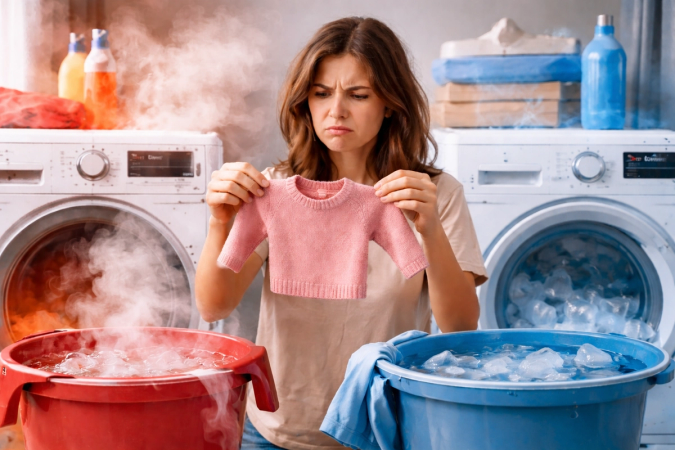
We have all experienced the heartbreak of pulling a favorite sweater out of the wash only to find it has shrunk two sizes. Heat is the enemy of fit. It causes the tension in the yarns to release, leading to significant shrinkage. Furthermore, hot water can damage the elastic fibers in modern clothing, such as spandex and elastane, found in leggings and athletic wear. Once these fibers are damaged by heat, the garment loses its 'snap' and becomes baggy and misshapen. When people ask What are the disadvantages of using hot water in laundry?, the loss of a garment's fit is often the most frustrating result. By opting for a professional laundry service, you benefit from expert sorting and temperature control that prevents these laundry disasters.
The Modern Alternative: Ozone Water vs Hot Water Laundry
As we look toward the future of garment care, the ozone water vs hot water laundry debate is becoming increasingly one-sided. Ozone laundry systems inject ozone gas into the wash water. This gas acts as a natural disinfectant and detergent booster. Unlike hot water, which relies on thermal energy to break down dirt, ozone uses chemical oxidation. This means it can kill bacteria, viruses, and mold 3,000 times faster than chlorine bleach, all while using cold water. This technology eliminates the need for the high temperatures that cause the five disadvantages mentioned above. It keeps fabrics soft, colors bright, and fibers strong, providing a level of cleanliness that traditional home machines simply cannot match.
Making the Switch to Cold Water
If you are doing laundry at home, the best way to avoid the disadvantages of using hot water in laundry is to default to the cold setting. Modern detergents are specifically formulated with enzymes that activate in cold water to break down oils and organic matter. Unless you are dealing with a specific contagious illness or heavy grease, cold water is more than sufficient for daily loads. However, for the ultimate care, outsourcing to a clean and fold laundry service that uses specialized equipment is the best investment for your wardrobe. They understand the nuances of hot vs cold water laundry and can apply the right treatment to every specific fabric type.
Conclusion
While hot water was once the gold standard for cleanliness, we now know that it carries significant risks. From destroying delicate fibers and fading vibrant colors to setting stains permanently and wasting energy, the disadvantages of using hot water in laundry are too great to ignore. The ongoing hot vs cold water laundry discussion clearly points toward cooler temperatures as the superior choice for both your clothes and the environment. Furthermore, the shift toward ozone water vs hot water laundry represents a massive leap forward in sanitization technology, offering a deeper clean without the destructive side effects of heat. Whether you are washing at home or looking for a professional laundry service, choosing cold water and advanced technology will ensure your clothes stay fresh, fit perfectly, and last for years to come. Stop asking What are the disadvantages of using hot water in laundry? and start experiencing the benefits of a cooler, smarter wash today.