


How to Remove Pet Hair From Clothes

The fastest way to remove pet hair from clothes is to wash them as usual, then run them through the dryer on a no-heat or air-fluff cycle before you ever turn the heat on. Most guides stop at "use a lint roller" and leave you standing in front of a hamper wondering why your dog's undercoat is still winning.
Here's the part almost nobody explains: your washing machine was never built to solve this problem. It's built to clean fabric, not extract fur from it. Tumbling loosens hair that's worked its way into the fabric, and without heat in the mix, static doesn't fight you on the way out, which is exactly what a wash cycle can't do. If you've been washing the same load twice and still pulling hair off a "clean" shirt, that's not bad laundry technique. That's a mismatch between the tool and the job.
Why Do My Clothes Still Have Pet Hair After Washing?
Water doesn't loosen embedded fur, it clumps it. Once pet hair is wet, it clings harder to fabric fibers than it did when it was dry, and the agitation of a wash cycle can actually redistribute loose hair across the whole load instead of removing it. That's the reason a lot of pet owners still find hair on their clothes after washing: the washer isn't failing you. It's just not designed to separate hair from textile in the first place.
This is why pretreating with a lint roller or sticky tape helps, but only gets you partway there. It catches what's sitting on the surface. Hair that's already worked into the weave of the fabric needs something else.
Why the Dryer Does the Job the Washer Can't?
A clothes dryer solves the problem differently. The tumbling motion physically works hair loose from the fabric, and the airflow moving through the drum carries that loosened hair straight into the lint trap instead of leaving it to resettle. It's the same reason a dryer sheet or a set of wool dryer balls can help during a regular cycle, they're adding a bit of extra separation while the drum does the real work.

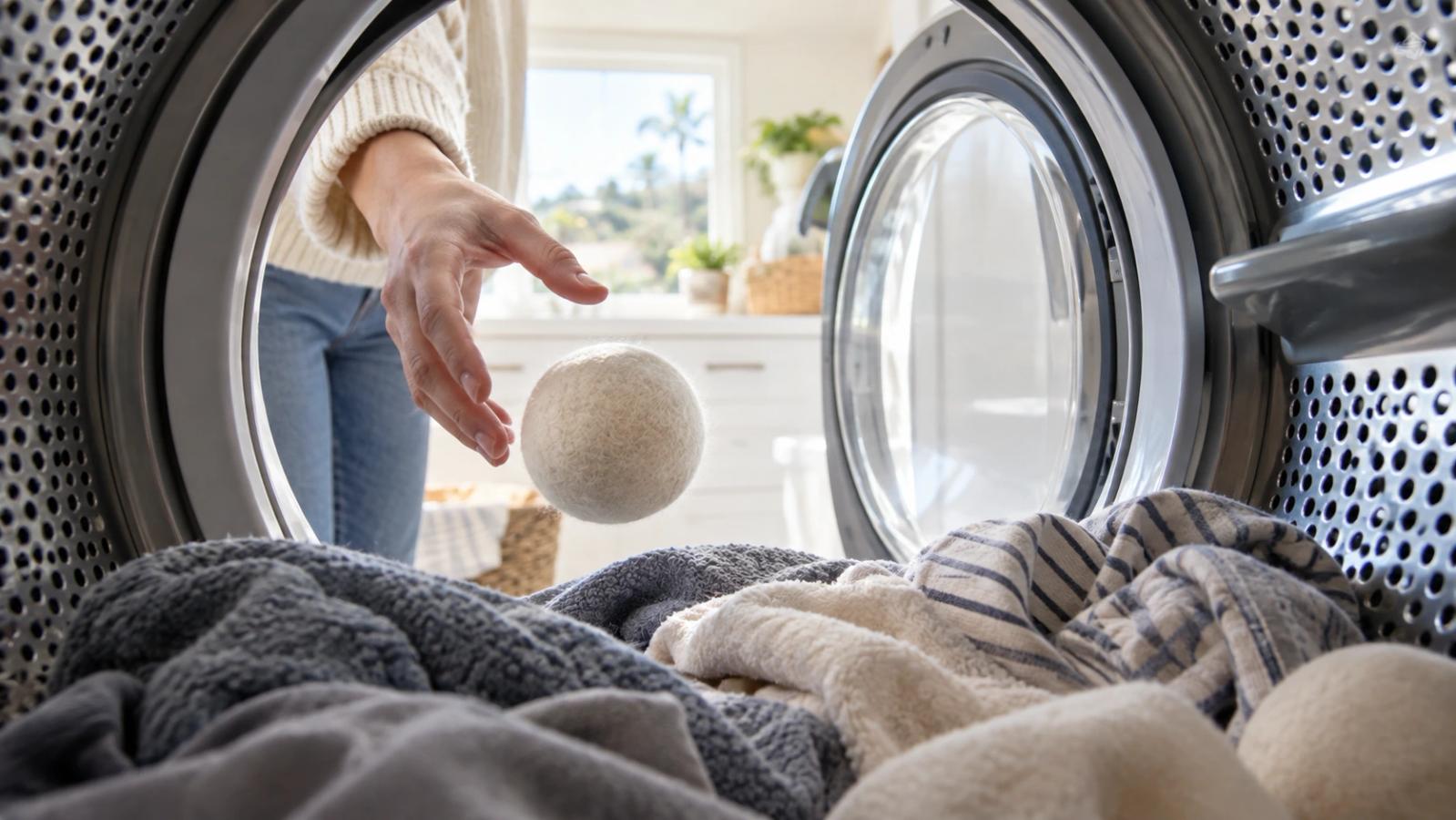
The catch is heat. Run a hot cycle and you're solving one problem while creating another.
Why No Heat Matters More Than People Think?
Heat increases static electricity, and static is what makes hair cling to fabric in the first place. A no-heat or air-fluff setting skips that charge entirely, so the hair the dryer already loosened actually reaches the filter instead of clinging right back on.
That single adjustment, heat off, is the difference between a dryer cycle that helps and one that just moves the problem around. If you skip the dryer altogether and hang-dry instead, the same no-heat logic applies, though keeping air-dried clothes from turning stiff becomes the new problem to solve.
The No-Heat Drying Process, Step by Step
- Clean the lint filter before you start. A clogged trap can't catch anything new.
- Run the clothes on a no-heat or air-fluff cycle for 10 to 15 minutes.
- Stop and clean the lint filter again. This is where you'll see how much hair actually came loose.
- Dry with normal heat if the fabric needs it, once most of the hair is gone.
- Finish with a short second no-heat cycle if any stubborn patches remain, particularly on fleece, corduroy, or other fabric types that grip hair more than smooth cotton or microfiber does.

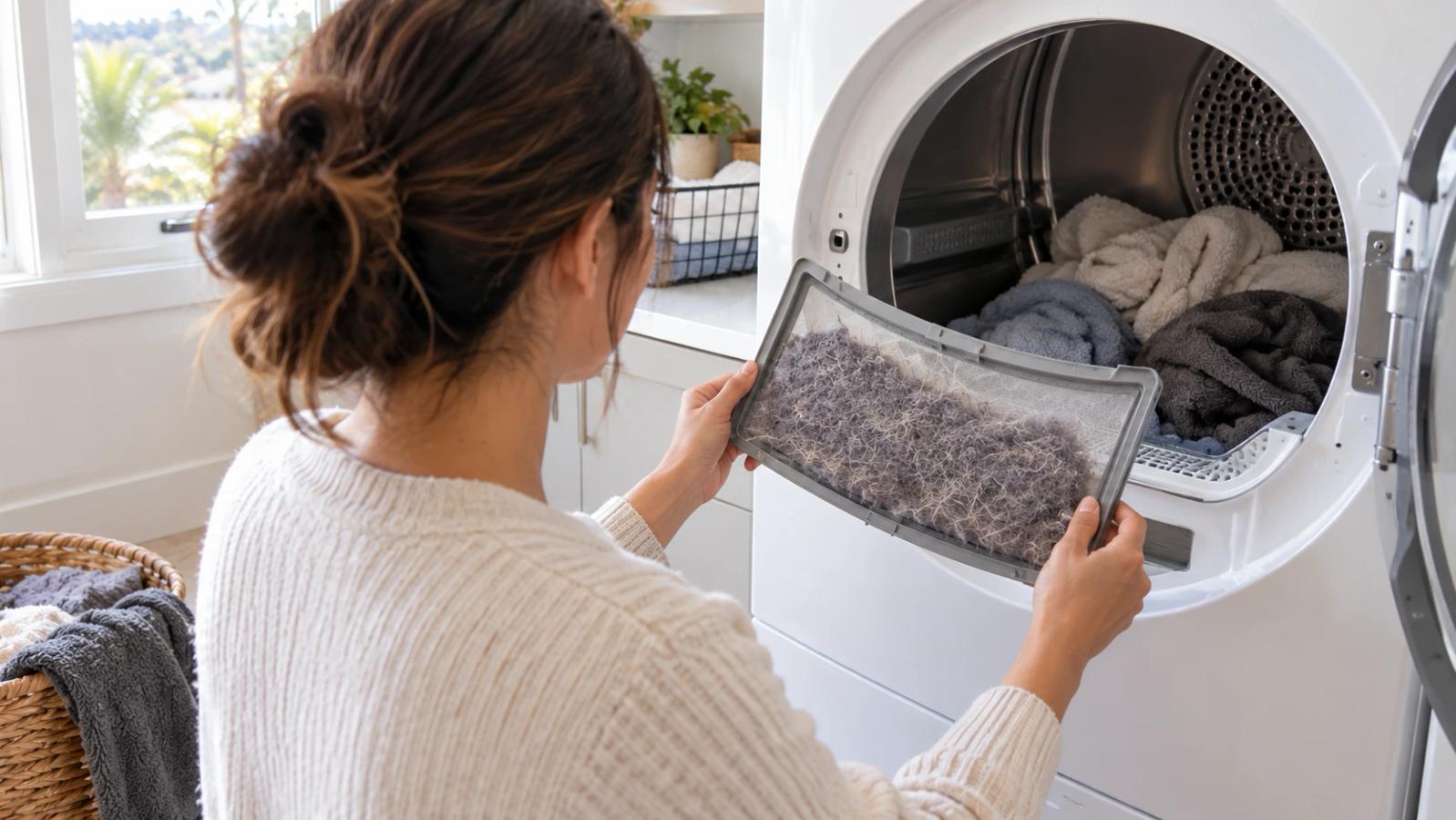
This sequence works because each step does one job, and it's just as effective on a single stubborn t-shirt as it is on a full load. It earns its keep most on pet bedding and blankets, which need a longer version of the same approach.
How to Handle Pet Bedding and Heavily Furred Items
Pet bedding, blankets, and anything a dog or cat sleeps on directly needs more than the standard pass. Extend the no-heat cycle rather than repeating it from scratch, and avoid overloading the dryer. Fabric needs room to tumble freely for the hair to actually separate and travel to the filter. If bedding is significantly worse than the rest of the laundry, wash and dry it separately rather than letting it shed onto everything else in the load. The same goes for towels and outer layers that come back from a dog beach or trail day, treat them as their own load rather than mixing them in with everything else and starting the whole cycle over.
Shared laundry rooms make the no-heat step pay off twice. Less hair ends up in the wash, and less hair gets left behind in a machine the next resident uses right after you.
Or, if this is the fifth time this month you've run this exact cycle and you're just tired of it: MAXfresh already dries every load on low or medium heat by default, which means less static working against you before your laundry even gets to us. We pick up, deep clean, and fold as part of our residential pick-up and delivery service, then drop it back at your door fur-free, so pet parents can skip the no-heat cycle altogether and let it become our problem instead of theirs.
Clean the Lint Filter After Every Cycle

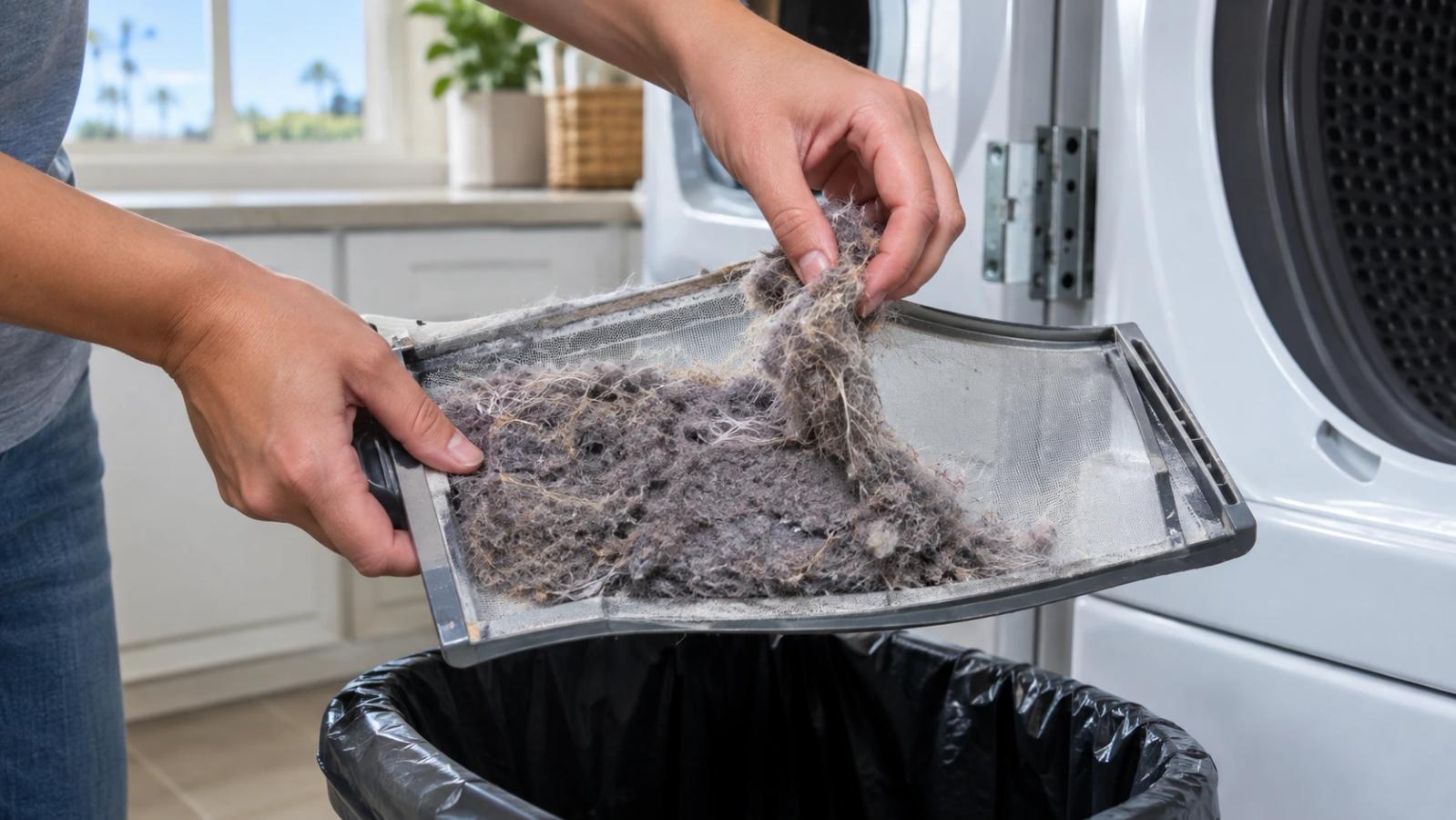
A clogged lint trap is a genuine fire risk, and pet hair builds it up faster than regular lint does. Every cycle, not just these steps. Beyond that, follow the garment care label on anything delicate and check your dryer manufacturer's guidance before running repeated no-heat cycles on wool or other sensitive fabrics.
Washer vs. Dryer: Which One Actually Removes Pet Hair?
Your washing machine cleans the fabric. Getting the hair out was always the dryer's job. Treat them as two separate tasks and the next load stops being a fight before it starts.