


How to Wash Clothes Without Shrinking Them


Wash clothes without shrinking them by sticking to cold water, a gentle cycle, and low heat or air drying. That's the short answer. The harder part is that most people break this rule constantly without noticing, because the setting that shrinks a sweater is often the exact setting that gets a coffee stain out of a work shirt. Getting it right means knowing which garments can take the abuse and which ones can't, and treating them differently instead of throwing everything into one load on autopilot.
Why Do Clothes Shrink in the Wash?
Shrinkage isn't random and it isn't bad luck. It's fiber doing exactly what it was always going to do under stress.
During manufacturing, most fabric is stretched and held under tension while it's woven or knitted. Cotton, wool, and linen are especially prone to this. Once that garment hits hot water and the friction of a washing machine, the fibers relax back toward their natural, tighter state. That's the shrink. It's not damage in the traditional sense. It's the material returning to a shape it was never really trying to hold in the first place.
Two forces cause almost all of it: heat and agitation. Hot water speeds up that relaxation. Aggressive spin cycles add friction that pulls and compresses the material further. High dryer heat finishes the job by locking the tighter shape in permanently once the fabric dries. Cut either one out and you remove most of the risk, a conclusion Consumer Reports reaches in its own lab testing.

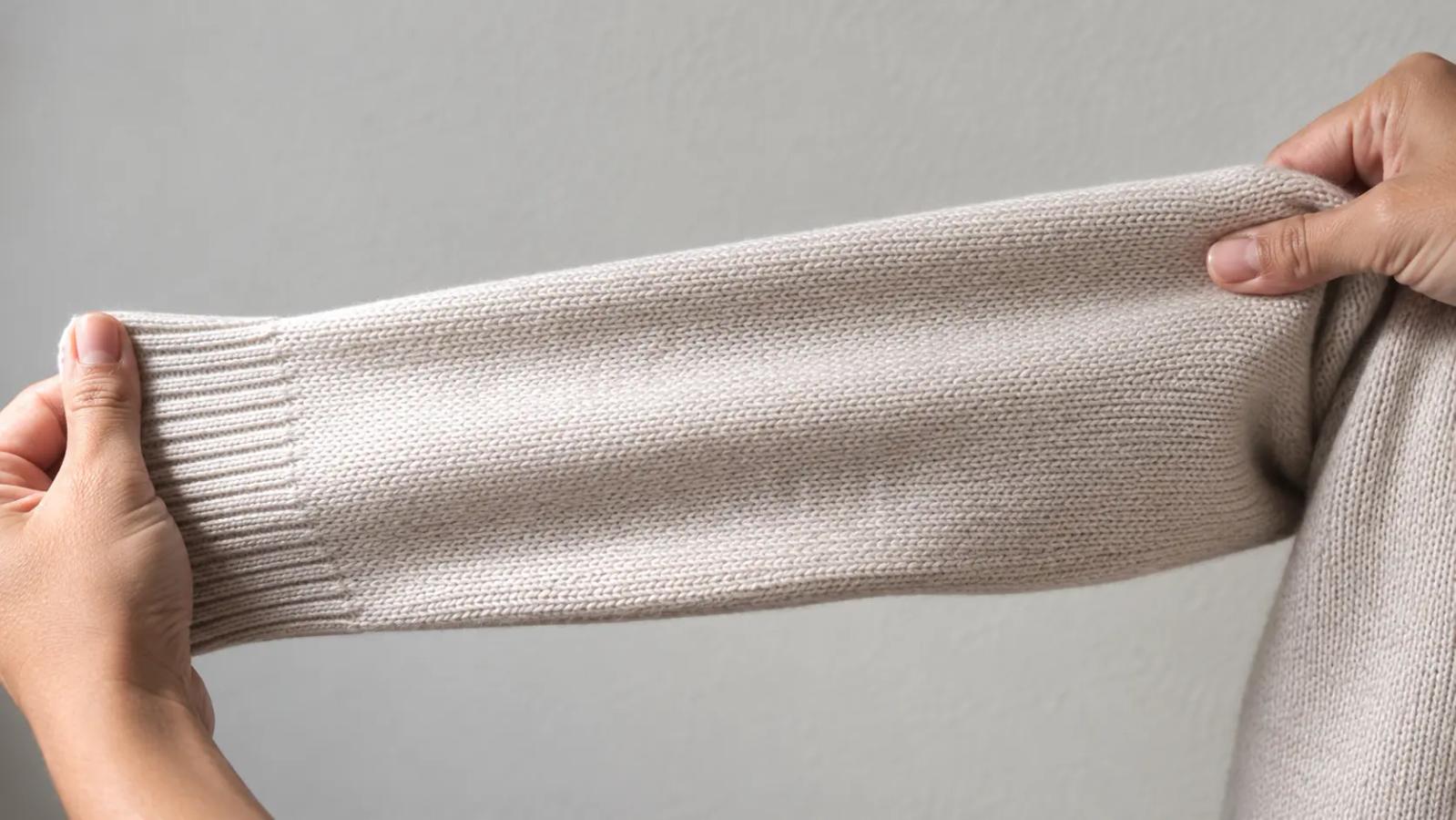
This is also why the same wash cycle can ruin one shirt and leave another untouched. Dimensional stability, meaning how well a fabric holds its size and shape under stress, varies enormously by fiber type. It also explains why cold water keeps coming up as the fix: about 90% of the energy a washing machine uses goes toward heating the water, according to the American Cleaning Institute, so skipping the heat protects your clothes and does most of the work your machine was doing anyway. Most laundry advice stops at "wash cold," which is only half the answer. The other half is knowing which fabric in your basket can't afford the mistake if you get it wrong.
Which Fabrics Shrink the Most?
Not every garment carries the same risk, and treating a cotton t-shirt the same way you treat a pair of jeans is how most people shrink clothes without meaning to.
- Cotton: High risk. Strong "memory" for its pre-stretched shape. Wash cold, always.
- Wool: Highest risk. Wool has microscopic scales that lock together under heat and friction, a process called felting. Once it happens, it's permanent. Hand wash or use a specific wool cycle.
- Linen: Moderate to high risk, especially on the first few washes. Cold water and air drying are non-negotiable if you want it to keep its cut.
- Denim: Moderate risk, particularly raw or unwashed denim. Jeans and other heavy cotton trousers shrink most in the dryer, not the wash, so pull them out early.
- Synthetics (polyester, nylon, spandex blends): Low risk. More heat resistant and can usually handle warmer water without much shrinkage, though high dryer heat can still warp elastic fibers over time.
Knowing your fabric type before you load the machine saves more clothes than any wash setting ever will.
What's the Right Wash Cycle to Prevent Shrinking?
Once you know what you're working with, the actual wash routine is simple.
Start by checking the laundry symbol on the care tag. It tells you the maximum safe water temperature and whether the garment is machine washable at all. If there's no tag, treat the item as high risk and default to cold.

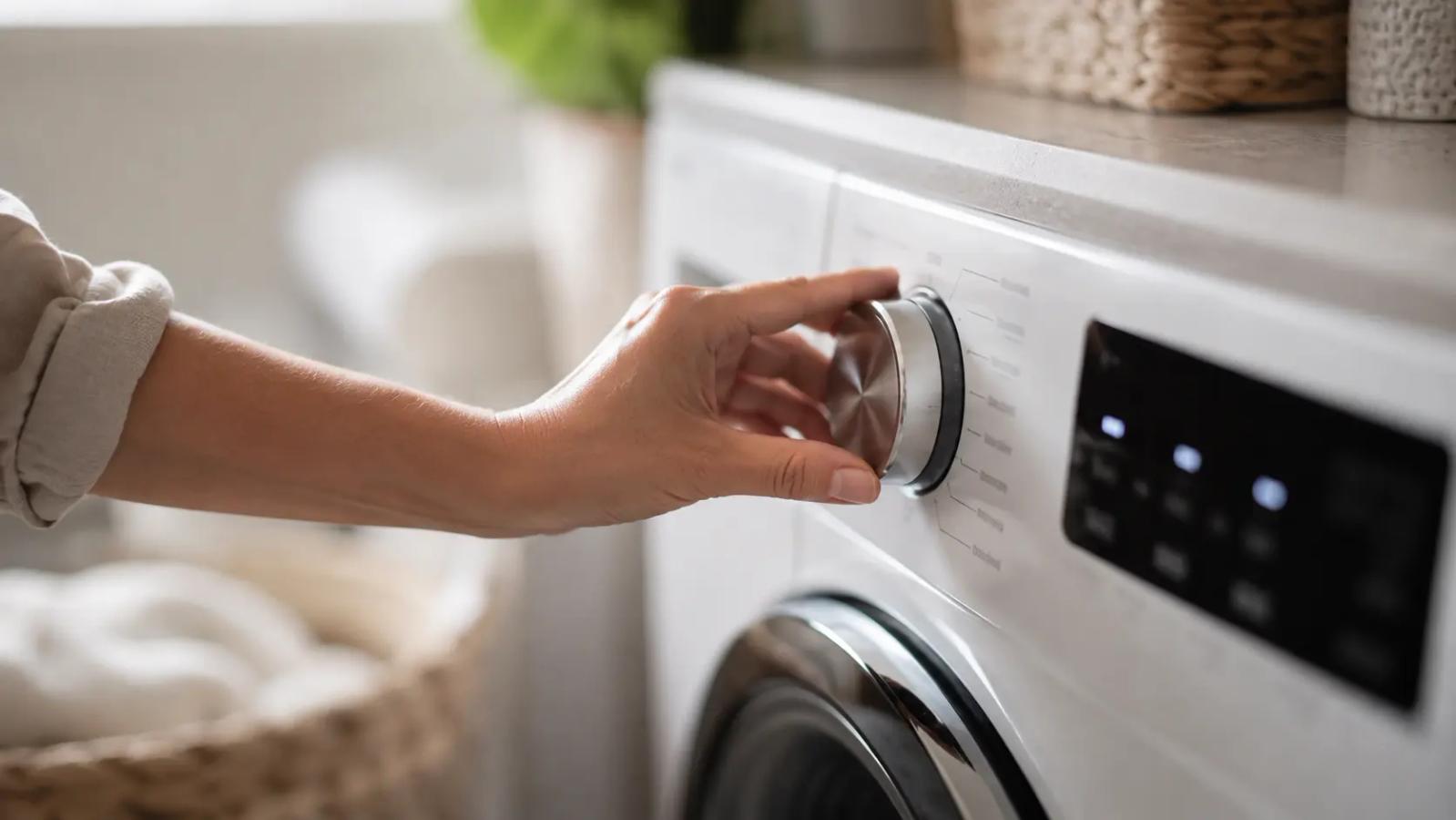
Fabric type matters more than color when you're sorting a load. A cold wash on a gentle cycle protects your most delicate pieces, while a regular setting is fine for sturdier synthetics. Mixing a wool sweater into a load with jeans and towels means the sweater is getting the same agitation as fabric that can handle far more of it.
Use a mild detergent, and don't overload the washer. A packed drum increases friction between garments, which is agitation you're adding on top of whatever the machine already creates.
How Do You Dry Clothes Without Shrinking Them?
Most people undo everything they just got right once they reach the dryer.
High heat in the dryer is the single biggest cause of permanent shrinkage, because it locks in whatever contraction already happened to the fibers. The fix is low heat, or none at all. Tumble dry on low for sturdier synthetics, and lay natural fibers flat on a drying rack instead of hanging them, since wet fabric stretches under its own weight on a hanger.

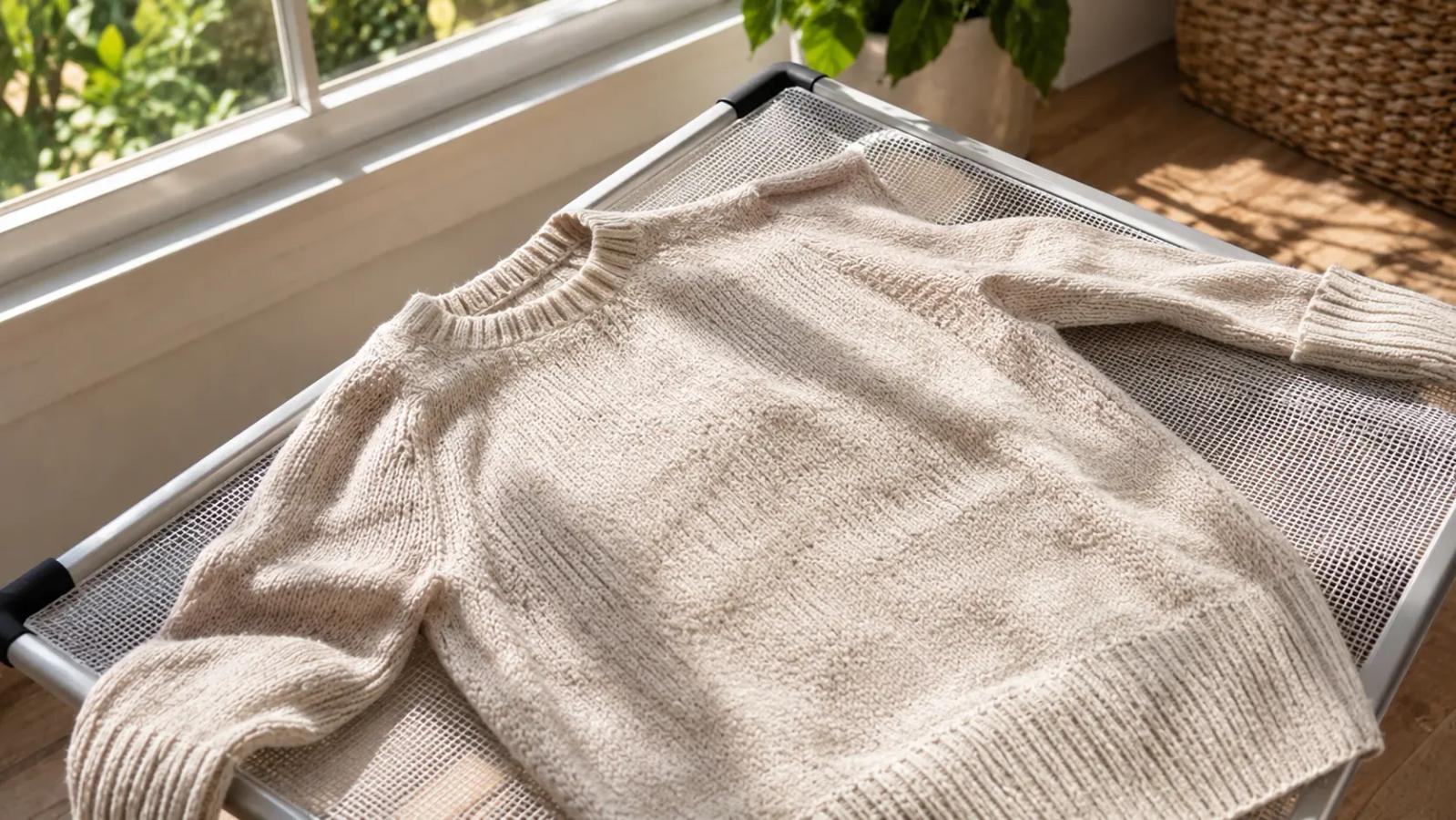
If you do use the dryer, pull garments out while they're still slightly damp rather than running a full cycle to bone dry. The last ten minutes of a dryer cycle does the most damage for the least benefit. If low heat alone doesn't get you all the way there, here's how to air dry clothes without them turning stiff.
How to Unshrink Clothes That Are Already Too Small
A simple soak and stretch can bring a shrunk garment most of the way back, so it's worth trying before you toss it.

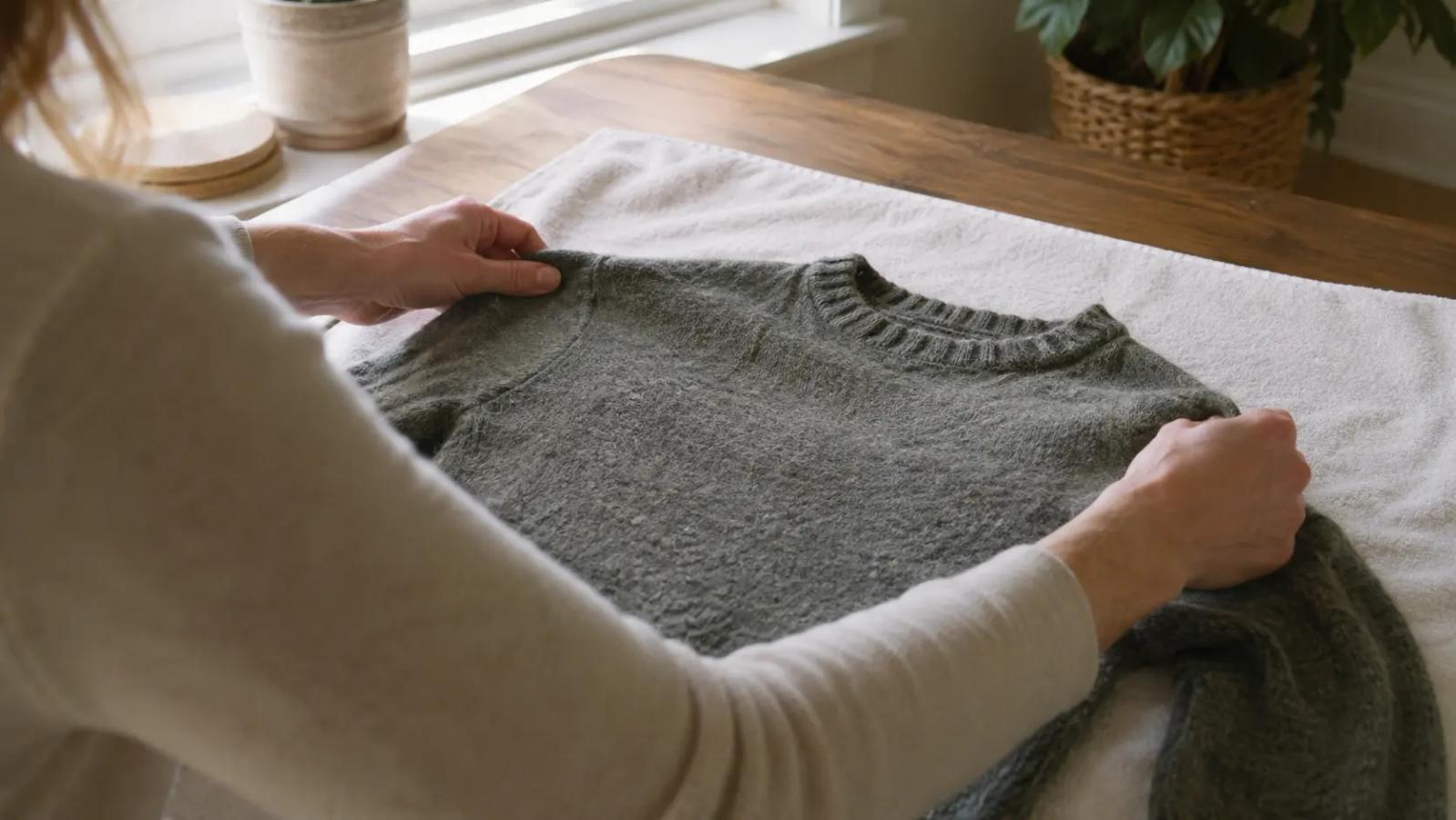
Soak the item in lukewarm water with a capful of hair conditioner or baby shampoo for about fifteen minutes. Both work as fiber relaxants. Gently stretch the garment back toward its original shape while it's still wet, then lay it flat on a towel to air dry. Reshape it every so often as it dries. This works best on wool and cotton knits. It won't reverse denim or heavily felted wool.
Frequently Asked Questions
The Easiest Way to Never Deal With This Again
If all of this sounds like more decision-making than you want attached to laundry day, that's fair. The payoff goes past your closet, too: the American Cleaning Institute estimates that washing cold for a year saves enough energy to drive a car up to 421 miles. It's part of why MAXfresh runs every load through ozone-based cold water cleaning by default and never mixes delicate items in with heavier loads. That's the difference between guessing at settings and just getting your favorite sweater back, still fitting, every time.