


How to Wash a Weighted Blanket (Without Ruining the Beads or Your Washer)

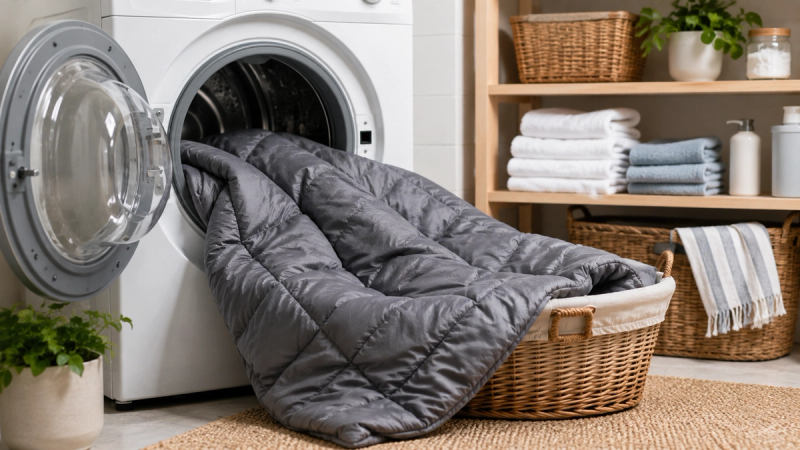
How to Wash a Weighted Blanket (Without Ruining the Beads or Your Washer)
Most weighted blankets can be machine washed, but the right method depends on the type of filling and whether your washer can safely handle the weight. In most cases, use cold water, a gentle cycle, a mild liquid detergent, and low heat or air drying. Heavier blankets may need a commercial front-loading washer to avoid damaging your machine.
The biggest risk usually isn't the blanket. It's your washer. A wet 20-pound weighted blanket can put significant strain on a standard household washing machine, something many care labels don't mention. Washing it the right way helps protect both the blanket and your appliance while keeping the fill evenly distributed, the stitching intact, and allergens, sweat, and body oils under control.
Know Your Fill Type First
Check the care label before washing. The type of filling determines whether the blanket is machine washable and how it should be cleaned.
- Glass microbeads: Glass microbeads are the most common filling in modern weighted blankets. They're durable, evenly distributed through quilted pockets, and generally safe to machine wash.
- Plastic pellets: Plastic pellets are lighter than glass beads and are usually machine washable. Wash them in cold water and dry on low heat to help prevent the pellets from warping.
- Steel Shot Beads : Steel shot blankets are much heavier than other types. While they're washable, larger blankets are often too heavy for a standard home washer once they're wet. A commercial front-loading washer is usually the safer choice.
- Natural Fillers: Blankets filled with rice, beans, corn, or sand should not be machine washed. Moisture can damage the filling. If the blanket has a removable cover, wash the cover separately and spot-clean the insert.
No care label? Feel the filling through the fabric. Fine, sand-like particles are usually glass beads, while larger, smooth pellets are typically plastic. Grainy fillings such as rice or beans should be kept dry.
Can Your Washer Actually Handle It?
Before washing, make sure your machine can handle the blanket's weight. Once soaked, a weighted blanket can weigh much more than its listed weight, placing extra strain on residential washers, especially top-loaders with agitators.
| Blanket Weight (Dry) | Recommended Washer |
|---|---|
Under 10 lbs | Standard residential washer |
10–15 lbs | Large-capacity residential front-loader (4.5+ cu. ft.) |
15–20 lbs | Commercial front-loading washer |
Over 20 lbs | Commercial-grade washer only |
Front-loading washers are generally the best option because they're gentler on the blanket and extract more water during the spin cycle, reducing drying time.
If your blanket exceeds your washer's capacity or you're unsure your machine can handle it safely, use a commercial front-loading washer instead. It's the safest way to protect both your blanket and your washing machine.
Step-by-Step: How to Wash a Weighted Blanket
Once you've confirmed your blanket is machine washable and your washer can handle the weight, follow these steps to clean it safely while protecting the fill and stitching.
- Inspect the blanket. Check the seams and quilted pockets for loose stitching or small tears. If you notice any damage, repair it before washing to prevent the filling from leaking.
- Treat stains first. Spot-clean stained areas with a mild, enzyme-free stain remover and a soft cloth or brush. Avoid chlorine bleach, which can weaken the fabric and stitching over time.
- Wash in cold water on a gentle cycle. Cold water helps protect the outer fabric and keeps the fill evenly distributed. Choose the gentle or delicate cycle to reduce stress on the stitching.
- Use a mild liquid detergent. Liquid detergent dissolves more easily than powder and is less likely to leave residue inside the blanket. Use about half the amount you would for a regular load.
- Skip the fabric softener. It can leave a coating on the fabric that reduces breathability and traps odors. Instead, add ½ cup of white vinegar to the rinse cycle to help remove detergent residue and naturally soften the fabric.
- Run an extra rinse cycle. Because weighted blankets are thick, detergent can remain trapped inside the layers after one rinse. An extra rinse helps remove any leftover soap.
- Use a low or medium spin speed. A gentler spin removes excess water while putting less strain on the stitching and weighted pockets.
How to Dry a Weighted Blanket
Drying your weighted blanket properly is just as important as washing it. Moisture trapped inside the filling can lead to mildew, while high heat may damage the fabric or filling.
Air Dry (Best Option)
Lay the blanket flat on a drying rack or drape it evenly over a sturdy rack. Avoid hanging it from a clothesline, as the weight of the wet blanket can stretch the fabric and pull the filling out of place.
Turn the blanket over every few hours so it dries evenly. Depending on its size and the humidity, it may take 24 to 48 hours to dry completely.
Machine Dry
If the care label allows machine drying, choose the lowest heat or air-fluff setting. Adding a few clean, dry towels can help absorb moisture and reduce drying time.
Pause the dryer every 20 to 30 minutes to gently redistribute the filling by hand. This helps prevent clumping and ensures the blanket dries evenly.
Avoid High Heat
High heat can shrink the outer fabric and damage certain types of filling, especially plastic pellets. It may also shorten the lifespan of the blanket, so always use the lowest heat setting recommended on the care label.
Make Sure It's Completely Dry
Before folding or storing the blanket, check that it's completely dry all the way through. Even if the surface feels dry, moisture can remain trapped inside the filling and lead to mold or mildew over time.
How Often Should You Wash a Weighted Blanket?
How often you wash a weighted blanket depends on how often you use it and whether it has a removable cover.
- With a removable cover: Wash the cover every 1–2 weeks and the weighted insert 3–4 times a year.
- Without a removable cover: Wash the blanket about once a month if you use it every night. For occasional use, every 2–3 months is usually enough.
- After illness: Wash the blanket as soon as possible to help remove germs and odors.
- Commercial settings: Blankets used in spas, massage clinics, assisted living facilities, or sensory therapy rooms should be washed between users using equipment designed for heavy bedding.
Using a removable duvet cover can reduce how often the weighted blanket itself needs to be washed while helping keep it cleaner between washes.
When to Skip the Home Wash and Use a Professional Laundry Service
Some weighted blankets are simply too heavy for a residential washer. In these situations, professional cleaning or a commercial front-loading washer is the safer option.
Consider professional laundering if:
- Your blanket weighs more than 15 pounds and your washer isn't large enough to handle it safely.
- You manage multiple weighted blankets for a spa, clinic, sensory room, or assisted living facility.
- You need commercial-grade sanitization for shared blankets.
- The care label recommends professional cleaning.
Many commercial laundry services use ozone-based cleaning, which sanitizes in cold water without relying on bleach or high heat. It's an effective way to reduce odors and bacteria while helping protect the blanket's fabric and filling.
If you're caring for multiple weighted blankets each week, using a professional laundry service can also save time while ensuring they're cleaned with equipment designed for heavy bedding.