


What Is Laundry Stripping And Do You Actually Need It

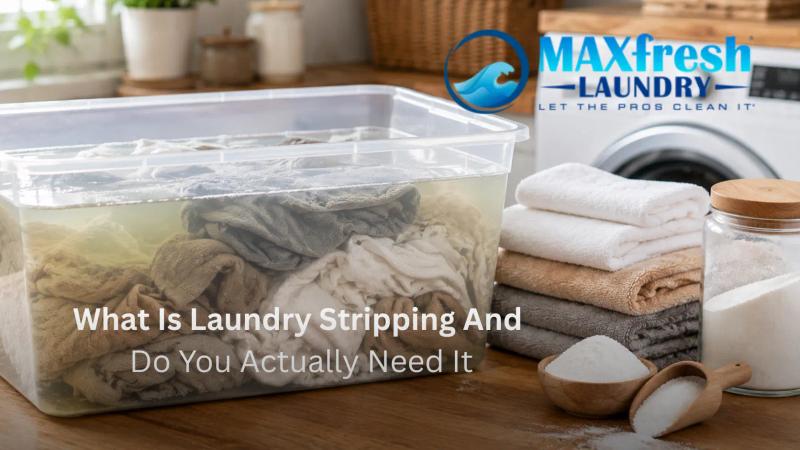
Laundry stripping is a deep-soak method, using hot water, borax, washing soda, and a bathtub, that pulls detergent, fabric softener, body oil, and hard water minerals out of towels and sheets that already went through a full wash cycle.
But here's the part nobody puts in the caption when the water turns murky and then a genuinely upsetting shade of brown: if you're stripping your laundry every few months just to get your towels smelling normal again, the towels were never the problem. Your wash cycle is.
That's the distinction this guide is going to make, and it's the one most laundry stripping content, the kind that blew up on TikTok for its dramatic reveal, skips entirely.
What's Actually Building Up in "Clean" Laundry
Every laundry wash cycle leaves something behind. Detergent doesn't rinse out completely, especially if you use too much detergent or fabric softener, which is one of the most common laundry mistakes people don't realize they're making. Fabric softener in particular coats fiber with a waxy layer that traps oil and residue instead of releasing it. Add hard water minerals into the mix, and you've got multiple sources of buildup competing for space inside the same towel. If you're in North County San Diego, that hard water is doing more work than you'd think. The water here runs moderately hard, so calcium and magnesium deposits are already layering into your fabric before detergent and fabric softener residue even get involved.

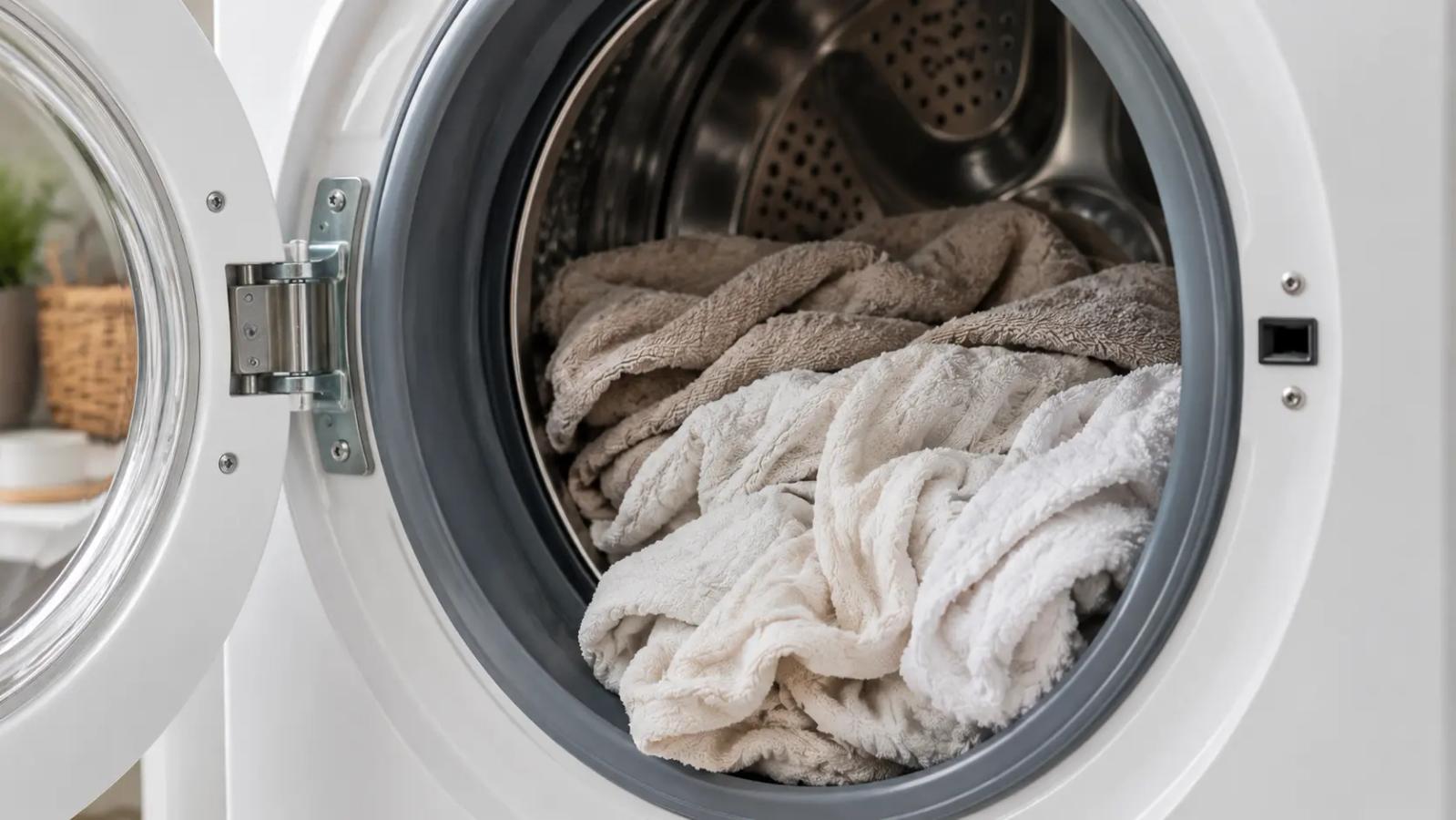
Cotton and other absorbent fabrics hold onto this the worst, and it's a big part of why absorbency is usually the first thing people notice slipping. Thicker fiber, more surface area, more places for residue to hide. That's why towels, sheets, and gym clothes are the items people strip most, while a regular t-shirt rarely needs it.
Body oils from your skin pile on top of that, along with residue from products like fabric softener beads and dryer sheets. It's chemical and biological residue, not ordinary dirt, and a standard wash cycle in a home washer isn't hot enough or long enough to fully release it, so it builds up over time with every load.
How Do You Strip Laundry?
The classic laundry stripping recipe is a ratio: one part borax, one part washing soda (sodium carbonate), and two parts powdered detergent, dissolved into a bathtub or large tub of the hottest water your fabric can handle.
A typical stripping process breaks down like this:
- Fill the tub with hot water first, then add the powders so they dissolve instead of clumping
- Submerge the sheets and towels fully and stir once to release trapped air
- Let the items soak for four to six hours, stirring occasionally
- Watch the color of the water. Clear water that turns murky, then cloudy, then dark confirms the stripping solution is doing its job
- Soak until the water stops changing color, then wring everything out and run it through a normal wash cycle and rinse
A top-load washing machine can technically do this soak for you, which is why brands like Maytag mention it as an option, but most households don't own one, so the bathtub remains the default.
Is Laundry Stripping Safe for Every Fabric?
No, and most quick guides skip over this risk entirely. Laundry stripping requires hot water temperatures that not all fabric can survive. Delicate fabrics like silk or anything hand-wash-only should never touch this process. Stripping delicate fabrics or wool is one of the fastest ways to ruin something you actually liked wearing.
Dye is the other risk. Colored linen, dark cotton, and anything not explicitly labeled colorfast can bleed during a long hot water soak, and once that happens, it doesn't reverse. Stick to white or off-white towels and sheets, and always check the care tag before you strip anything, wet or dry.

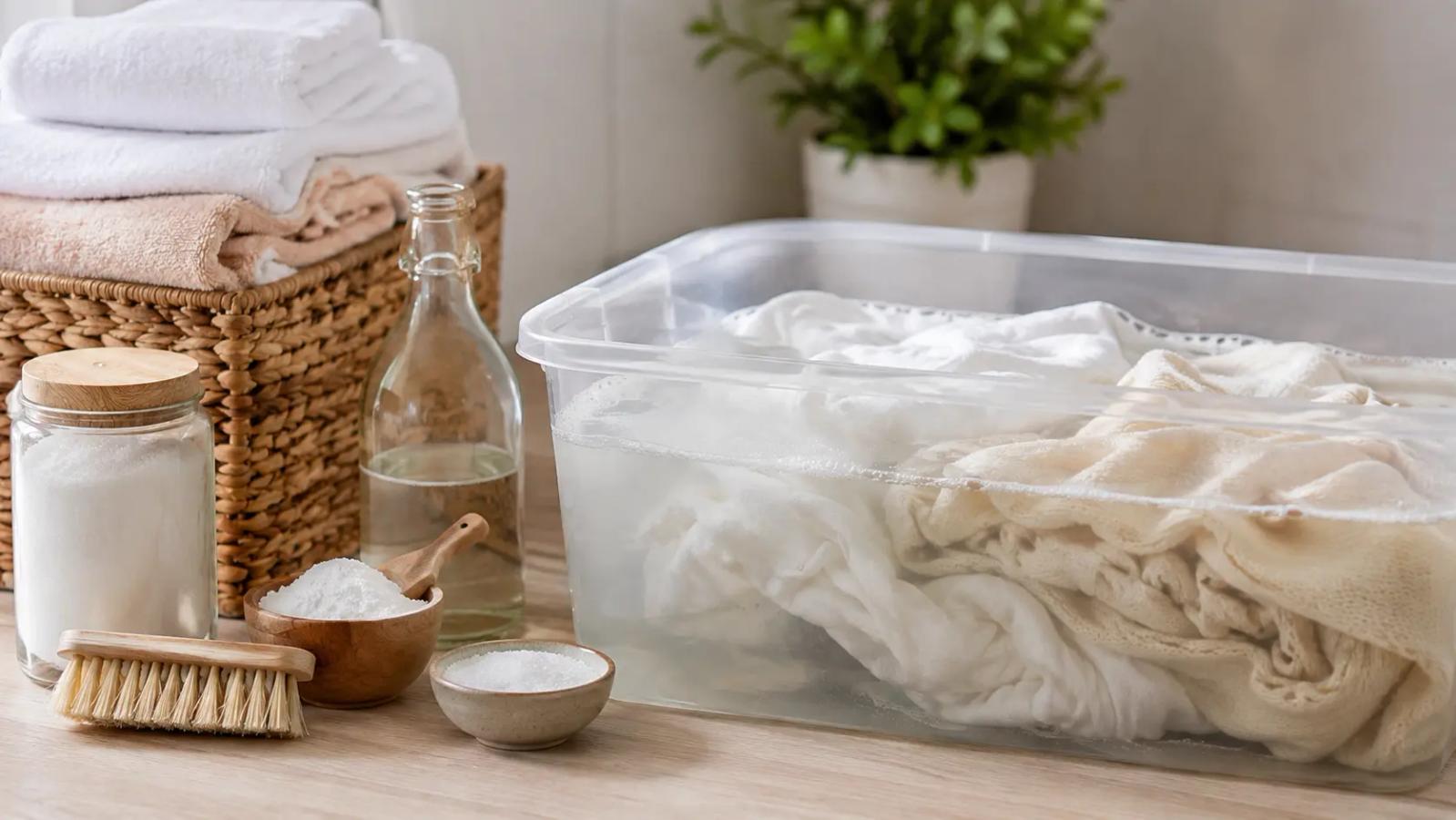
If your buildup is mild, using vinegar instead of the full borax and washing soda mix is a gentler option, and a splash of baking soda in the wash cycle beforehand can help remove some residue on its own. Neither pulls out as much as a full soak, but both are far less harsh on fabrics that aren't built to handle a long hot water soak, and they're a reasonable middle ground for anyone who wants gentler methods for removing light buildup without the risk to color or fiber.
Do Your Towels Need Stripping?
Not every load needs a stripping session. Treating it like a routine step is exactly how people run into trouble. Watch for:
- Towels that feel stiff or less absorbent than they used to
- Sheets that look dingy or slightly yellow even right out of the wash, especially towels and white sheets that show discoloration fastest
- A musty odor that shows up again within a day of laundering
- Gym clothes that hold onto smell no matter how much detergent you use
If you're seeing two or more of these, a stripping session will probably confirm what's going on. Whether that session is actually worth running is the next question.
Is Laundry Stripping Worth It?
Here's the honest answer: occasionally, yes. As a weekly or monthly habit, no.
Laundry stripping is a deep cleaning method for reset situations, not a stain removal method and not a substitute for a normal laundry routine. It won't remove stains, it doesn't replace regular washing, and done too often it strips more than residue. Over time it can wear down fiber and shorten the life of exactly the clothes and towels you're trying to save. Twice a year for heavy-use items is a reasonable ceiling for most households, as part of a smarter laundry care routine rather than a monthly habit.

The deeper question worth asking isn't "does laundry stripping work." It clearly does, and Consumer Reports' own testing confirms as much. The water doesn't lie. The real question is why your laundry needed it in the first place.
Skip Laundry Stripping With Professional Pickup and Delivery
The honest fix for buildup isn't a better stripping recipe. It's not putting the residue there to begin with.
Most laundry stripping content assumes you're stuck fighting detergent and fabric softener residue forever in every laundry load. You're not, if the wash itself doesn't leave any behind. That's the entire premise behind MAXfresh's ozone cold-water process, built for busy North County San Diego households, professionals, and anyone who'd rather get their time back than spend a Saturday babysitting a bathtub. Ozone is a natural oxidizer that breaks down detergent, fabric softener, and mineral residue at the molecular level instead of letting it settle into fiber over dozens of cycles, hard water minerals included, since the cold-water rinse handles those automatically every time. Every order is professionally dosed too, so there's never too much detergent or fabric softener working against your clean laundry in the first place.
Solving buildup for good means changing the wash itself, so the residue never gets the chance to settle in. The payoff shows up months later, not in the load you just picked up. Towels that still feel soft and pull water the way they did the day you bought them. Sheets that don't quietly turn