


Do Laundry Detergent Sheets Work? A Laundry Owner's Honest Take

By Mark Boen, Owner of MAXfresh Laundry
Do laundry detergent sheets work? Yes, on the kind of laundry most households don't actually have. The kind they do have, the kind with genuinely dirty clothes, sweat-soaked gym gear, and bedding nobody's washed in a month, is exactly what makes the marketing and the machine disagree.
I run a wash-and-fold business that processes thousands of pounds of laundry a week, and after researching and testing detergent sheets across regular and high-efficiency machines, I can tell you exactly which loads make sheets fall apart, starting with the one sitting in your hamper right now.
What Are Laundry Detergent Sheets Made Of?
A laundry sheet is a thin, concentrated laundry formula held together by a water-soluble polymer, usually polyvinyl alcohol (PVA). You'll also see these products marketed as detergent strips or a laundry strip, though the format is the same either way. Drop a detergent sheet into the drum and it dissolves as the wash cycle fills, releasing the same type of cleaning agents you'd find in detergent pods or a capful of liquid. The difference is mass. A single sheet weighs a few grams. A standard dose of powder or bottled laundry detergents weighs several times that, and that gap is the difference between a load that looks clean and one that actually is.
One laundry educator online breaks this math down in more blunt terms, arguing that once you account for the binding polymer in a sheet, the actual active cleaning agent left over is closer to 2 or 3 grams, worth watching if you want the full breakdown.
Sheets also skip the plastic jug that liquid detergent usually ships in. You get a slim cardboard box instead, lighter to ship and easier to store than a jug on a shelf. That part of the pitch holds up. What's inside the sheet makes the story more complicated.
Do Detergent Sheets Work as Well as Liquid Detergent?
Not across the board, and it's not just my opinion. Consumer Reports ran fourteen detergent sheet products through its 2026 testing program using the same stain and odor-removal tests applied across the board, and none of the sheets matched a good pod, a traditional liquid, or other scoop-based laundry detergents. Even the top performer in that lineup couldn't fully lift coffee or chocolate marks, and the second-best struggled with body oil, grass, coffee, and blood. That top performer wasn't really a sheet at all either. It was a heavier tile carrying several times the mass of a typical sheet, which lines up with the weight problem I flagged earlier.

On CR's actual scoring, the gap is stark: the lowest-scoring sheet came in at 11, the best-performing sheet topped out at 29, and a top-scoring Tide liquid landed at 84. Choice, the Australian consumer group, ran fifty detergents including sheets through 110 loads of real-world testing and landed sheets among the three lowest scorers in the whole set, low enough that they now tell shoppers to steer clear of the category outright. Two independent labs, thousands of miles apart, land on the same thing I see every week in my own machines: laundry sheets work fine on light, everyday loads, about as well as a powder detergent does, but they fall off fast against tough stains and real soil.
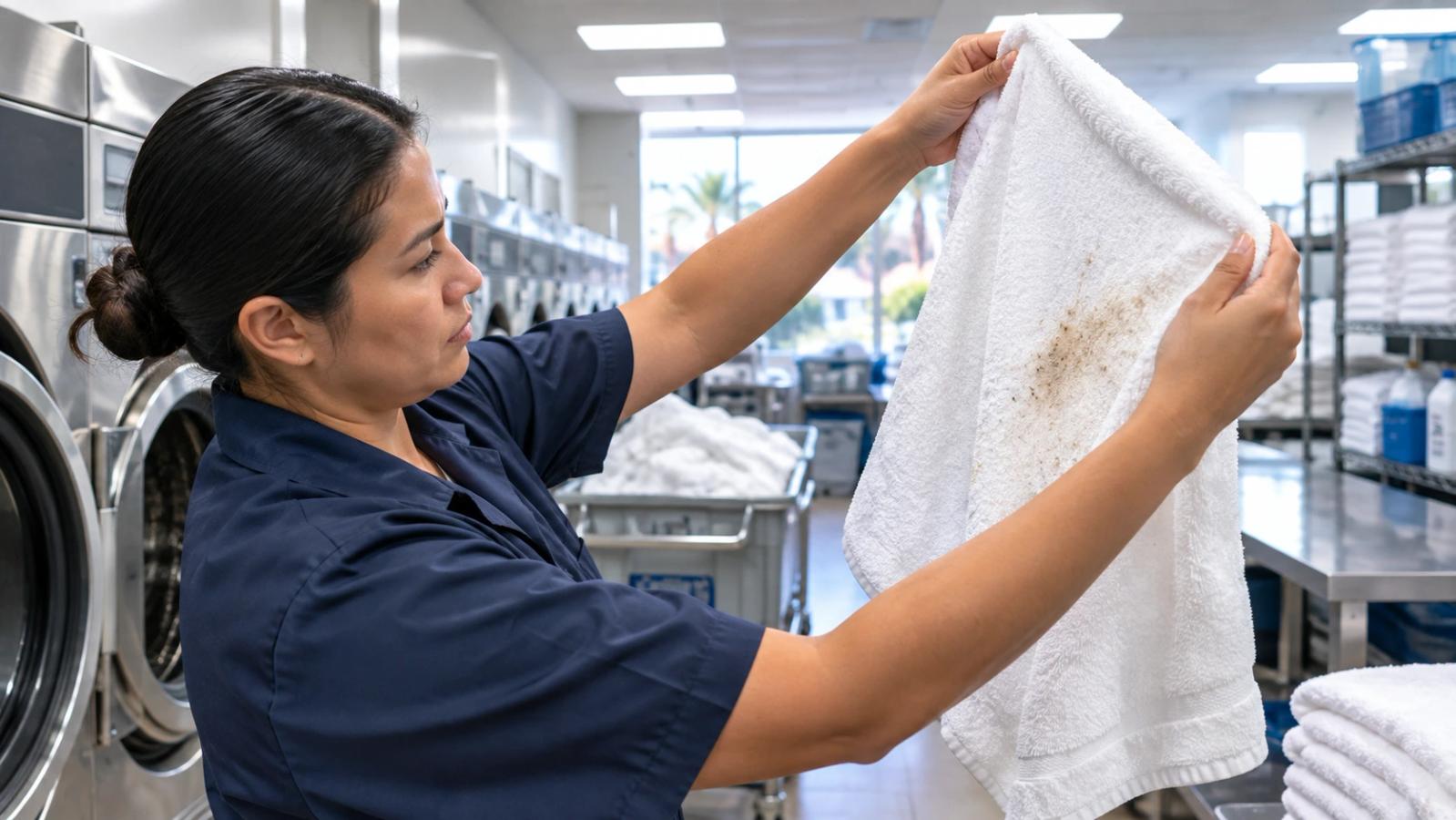
I've watched this play out with towels, bedding, and gym clothes that run through our machines daily. On a warm or hot cycle with a normal load, a detergent sheet keeps pace with a standard liquid. On a full cold load with real soil and grime, it falls behind, and you can see it in the fabric before you can smell it.
Where Laundry Sheets Hold Up
For a single work shirt, a load of towels, or clothes worn for a few hours and not visibly dirty, a laundry sheet does a fine job. It releases evenly, it doesn't leave residue on darks the way an overdosed liquid sometimes does, and it takes the guesswork out of measuring, without babysitting a cap the way bottled laundry detergents require. If your laundry room mostly sees light, everyday loads, a sheet is a reasonable way to get clean laundry.
That's a narrower use case than most brands advertise, but it's a real one. Making the switch to sheets makes sense if your hamper looks like that most weeks.
We see the same split on the commercial side of the business. A boutique salon sending us light robes and hand towels would probably do fine running sheets at home. A gym sending us towels soaked through after back-to-back classes would not, no matter which sheet or ratio they used. Volume and soil level decide the outcome long before brand loyalty does.
Where the Sheets Fall Short: Stains, Odor, and Mineral-Heavy Water
Stains aren't the only place sheets lose ground. Grease, deep-set food stains, and heavily soiled workwear generally need more active detergent and a dedicated stain remover than a single sheet can deliver. Persistent stains and odors both point to the same root cause: not enough detergent mass to finish the job in one pass, and hard water makes it worse.

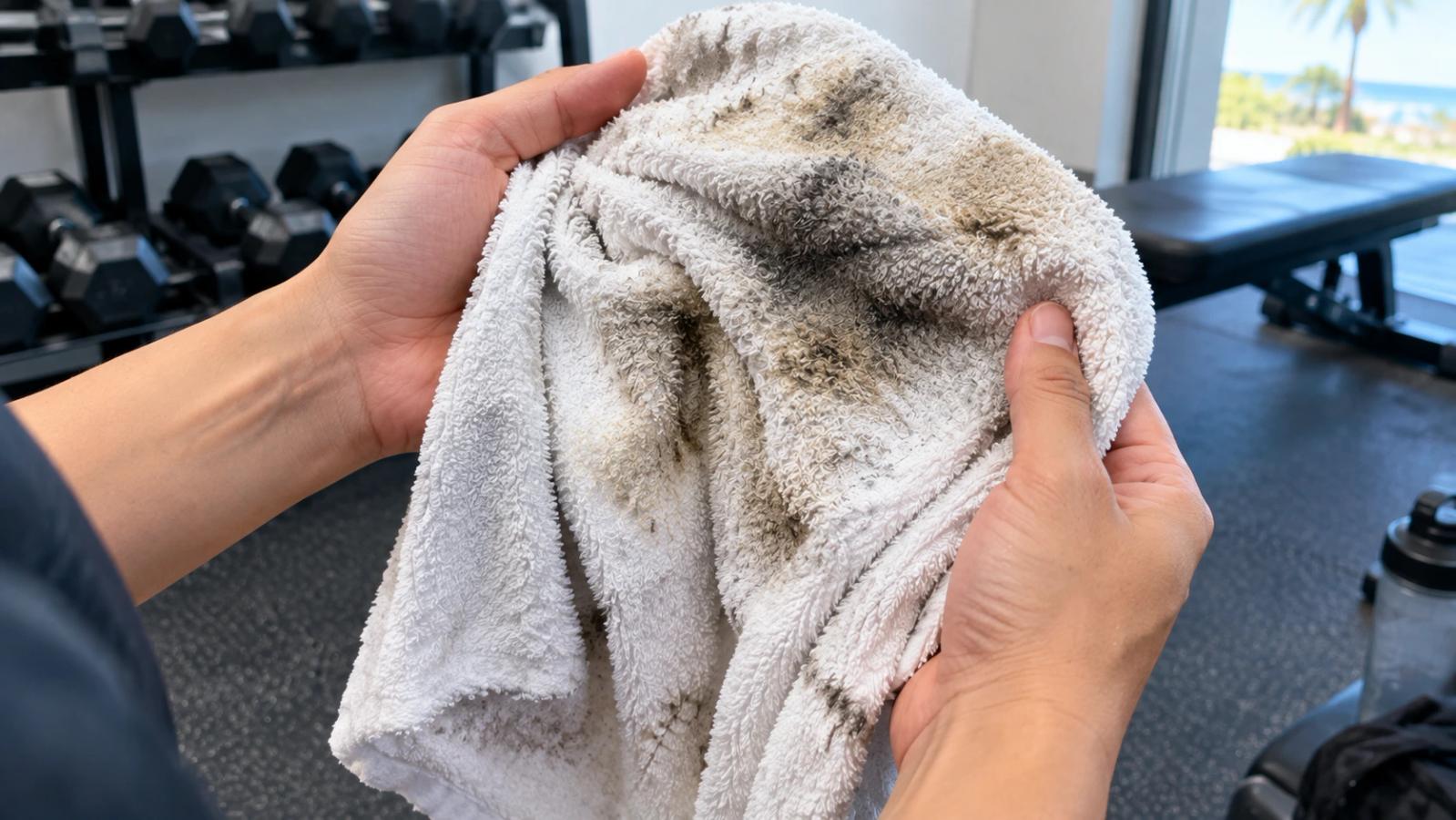
Minerals interfere with how well surfactants like sodium lauryl sulfate can lift dirt and oil off fabric, leaving a low-mass product like a detergent sheet even less room to compensate. Which is usually the load you end up rewashing.
How Many Detergent Sheets Should You Use?
Most brands recommend one sheet per load for a standard wash, half a sheet for a light or small load, and two sheets for anything heavily soiled or oversized. That's a reasonable starting point, but size it to the load the same way you would scoop-based laundry detergents: more soil and more fabric need more active detergent, not a fixed dose regardless of what's actually in the machine. If something has a visible stain, pretreat it with a proper stain remover before the wash rather than counting on the sheet to lift it mid-cycle.
Placement matters too. Put the sheet in first, then load clothes on top. If a sheet lands underneath a full load, it gets less direct contact with water at the start of the cycle and can take longer to break apart fully, which is part of why some people find leftover residue on dark fabric. On a top-loading machine, tear the sheet in half for a light load and drop it in as the drum starts filling. On most front-loaders, place it directly in the drum rather than the dispenser drawer, since the drawer is built for liquid and powder formats and can trap a sheet before it ever reaches the wash.
Are Laundry Sheets Safe for Your Washing Machine?
Yes, for the washing machine itself. Detergent sheets are compatible with standard machines and don't carry the same overdosing risk that a liquid pour does, since there's no cap to eyeball. The more common worry, whether sheets clog drains or cause trouble for a septic system, isn't well supported either, for the same wastewater-treatment reasons covered below.

Do Laundry Sheets Contain Microplastics?
I'd push back on any brand that answers with a flat no. The honest answer is that researchers and industry disagree. A peer-reviewed wastewater treatment study estimates that a large share of PVA can pass through conventional treatment largely intact, while manufacturers point to lab conditions where PVA fully biodegrades within hours. The gap between those two claims mostly comes down to one thing: whether the treatment plant has had time to develop the specific microbes that break PVA down. Plants without that head start see PVA persist far longer than the ones that have it, which means the same sheet can behave completely differently depending on the wastewater system it enters. That's not unique to a one sheet brand. It's a structural question about local infrastructure, the same infrastructure question that decides whether a sheet's plastic-free claim actually holds up before it reaches a waterway, and it's one most reviews never get into, because it's a lot less tidy than a green sticker on a box.
Are Detergent Sheets Eco-Friendly?
Eco-conscious shoppers are usually the ones asking about the environmental side of things, and the pitch behind brands like Sheets Laundry Club, Earth Breeze, Tru Earth, and ECOS deserves a real look, not just a nod. The case for eco-friendly laundry rests on less packaging and less fuel burned getting product to your door: a box of sheets weighs a fraction of a bottle of liquid, which cuts down on plastic waste and adds up over a year of orders. Several brands also market themselves as free of parabens, phosphates, and dyes, some sell fragrance-free versions for sensitive skin, and a few carry an EPA Safer Choice label, which is a meaningful signal if you're trying to keep harsh chemicals out of your laundry.

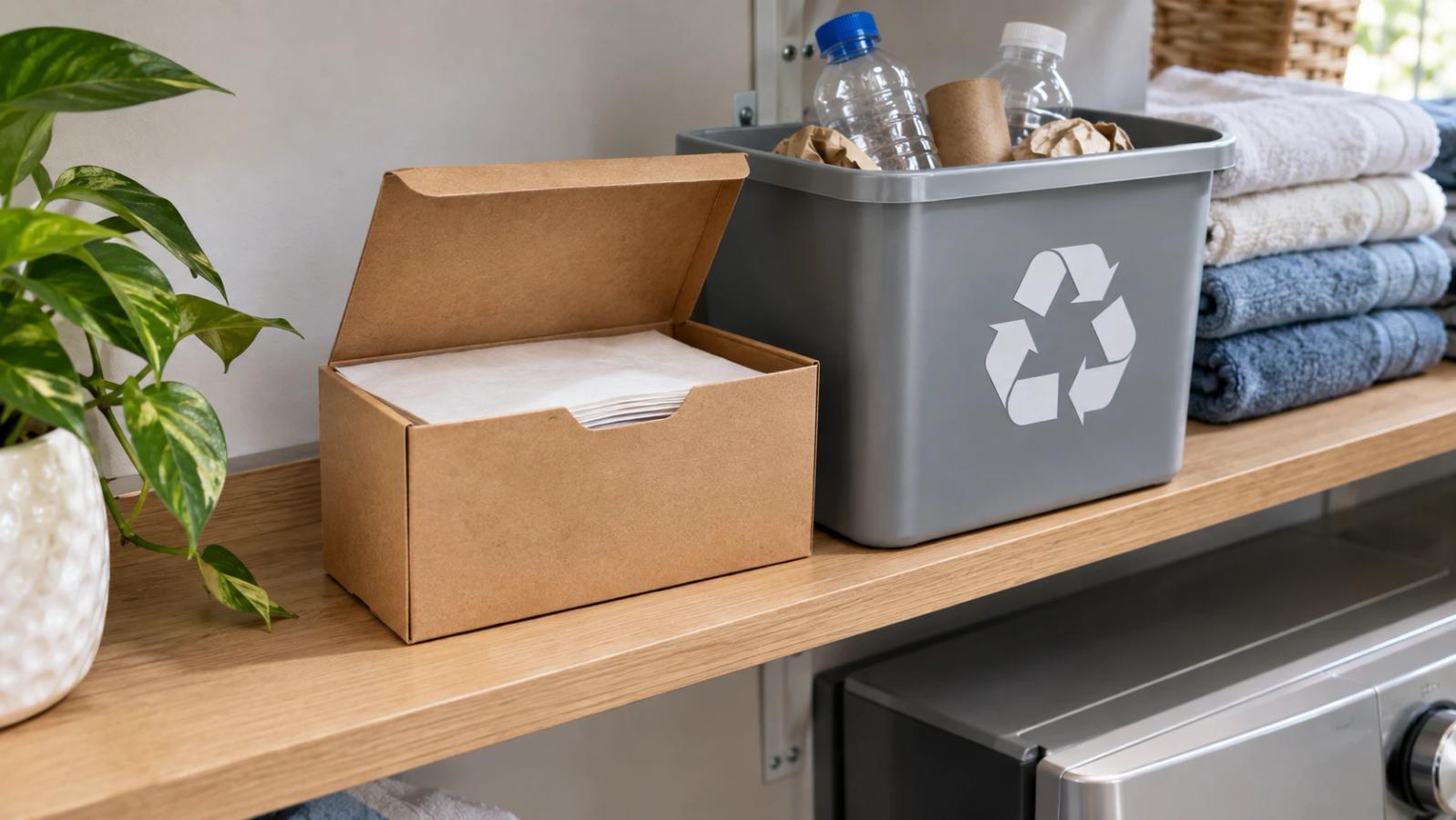
Where the pitch gets shakier is the plastic question itself. PVA is technically a plastic, and the microplastics question above applies here too: whether it's genuinely plastic free depends on the treatment plant it ends up in, not what's printed on the box. If a brand promises to be fully biodegradable with no caveats and backs it with nothing more than a money-back guarantee, that's marketing outrunning the science. Recyclable cardboard and a compostable insert don't change the sheet's real environmental impact, which still depends on the treatment plant covered above. I'd also weigh in that plenty of sheets are manufactured overseas and shipped a long way before they land on a store shelf, which chips away at the less waste, lower carbon case some brands lean on hardest.
None of that makes sheets worse than traditional detergents like Tide across the board. It means the eco-friendly alternatives to liquid aren't automatically the better environmental choice once you account for the full water and energy picture behind how you do laundry in the first place, not just the box on your counter.
Do Laundry Detergent Sheets Actually Work? My Verdict
Compared to liquid laundry detergents that have decades of formulation behind them, sheets are still a newer category working out its limits. They still fall short on the loads covered above, and that's not a knock on the product. It's a mismatch between what it's marketed for and what most households actually generate in a hamper.
It's also part of why we don't rely on detergent sheets, or any single sheet format, to carry our ozone cold-water cleaning process. Ozone does the heavy lifting on disinfection and stain performance regardless of water temperature, which is the exact gap where sheets run out of room. If you're weighing whether to make the switch at home, my honest take is this: keep a box of sheets for the easy loads, and don't expect them to carry the loads that actually need help, however you launder them.